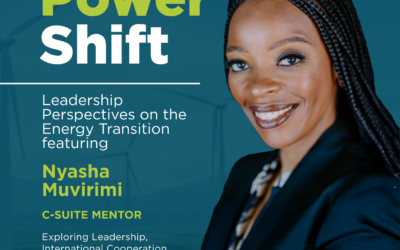
Why is the inclusion of women essential to building a sustainable, resilient and inclusive energy future?
Energy systems serve diverse communities and the people who design, manage and govern them should reflect that diversity. Meaningful participation by women brings broader perspectives, stronger problem-solving and more inclusive decision-making.
The energy sector is rapidly evolving through decarbonisation, digitalisation and the just energy transition. As renewable energy, battery energy storage, digital technologies and decentralised energy resources become more integrated, the complexity of energy systems continues to grow. Addressing these challenges requires multidisciplinary thinking and collaborative leadership.
Diverse teams consistently make better decisions because they consider a wider range of opportunities, perspectives and risks. The inclusion of women is therefore not only a matter of equity, but also a strategic imperative for building energy systems that are sustainable, resilient and responsive to future challenges.
From your perspective, what progress have you seen in advancing women’s participation and leadership within the energy sector over recent years?
Over the past decade, I have seen encouraging progress in the number of women advancing into technical, engineering and leadership roles across utilities, municipalities, government and the private sector. More women are leading projects, managing infrastructure programmes and contributing to strategic policy and operational decisions. There is also greater recognition that diversity strengthens organisational performance. This has resulted in increased investment in mentorship, leadership development and initiatives that create pathways into decision-making positions.
My own journey reflects some of this progress. Working within electricity generation and distribution environments have provided valuable opportunities to develop both technical expertise and leadership capability. While progress is evident, increasing women’s representation in senior leadership and highly technical operational environments remains an important priority.
Can you share an example of an initiative or intervention that has successfully supported women in energy and created meaningful impact?
One initiative that has had a significant impact is the Postgraduate Diploma in Energy Leadership (PDEL), delivered through Wits Business School’s Africa Energy Leadership Centre (AELC) in partnership with GIZ SAGEN. The programme combines technical energy knowledge with leadership, strategy, governance and systems thinking.
As both a participant and graduate, I experienced firsthand how it brings together professionals from across the energy sector to tackle complex challenges while developing strategic leadership capabilities. It also creates valuable opportunities for networking, collaboration and knowledge sharing across institutions.
For women, programmes like this help build confidence, expand professional networks and strengthen leadership skills. The benefits extend beyond individual development, enabling participants to influence organisational change and contribute to a more inclusive and resilient energy sector.
How can organisations create environments where women are empowered to thrive, lead and contribute meaningfully across the energy value chain?
Organisations should create inclusive environments where women are supported through equal access to opportunities, meaningful technical experience and leadership development. Exposure to major infrastructure programmes, operational responsibilities and high-impact projects helps build the technical expertise and confidence required for future leadership roles.
Equally important are transparent recruitment, promotion and succession planning processes that recognise competence and potential. Investment in mentorship, sponsorship and continuous professional development also plays a critical role in preparing women for strategic positions.
Leaders should foster workplace cultures where diverse perspectives are valued and inclusion is actively promoted. When organisations combine these elements, women are better positioned to contribute across the entire energy value chain from policy and planning to project implementation, operations and executive leadership.
What opportunities do you see for women to play a greater role in shaping South Africa’s energy transition?
South Africa’s energy transition presents significant opportunities for women to shape the future of the sector. The growth of renewable energy, battery energy storage, distributed generation, electric mobility, smart grids and digital energy systems requires new technical expertise, innovation and collaborative leadership.
Women can play leading roles as engineers, project managers, policymakers, researchers, regulators, entrepreneurs, financiers and executives. From my perspective in the utility environment, the transition is about more than technology, it is also about building institutions and systems that are resilient, inclusive and sustainable.
By continuing to invest in education, mentorship and leadership development while creating clear pathways into decision-making positions, we can empower more women to drive innovation, strengthen energy security and help deliver a truly just energy transition for South Africa.