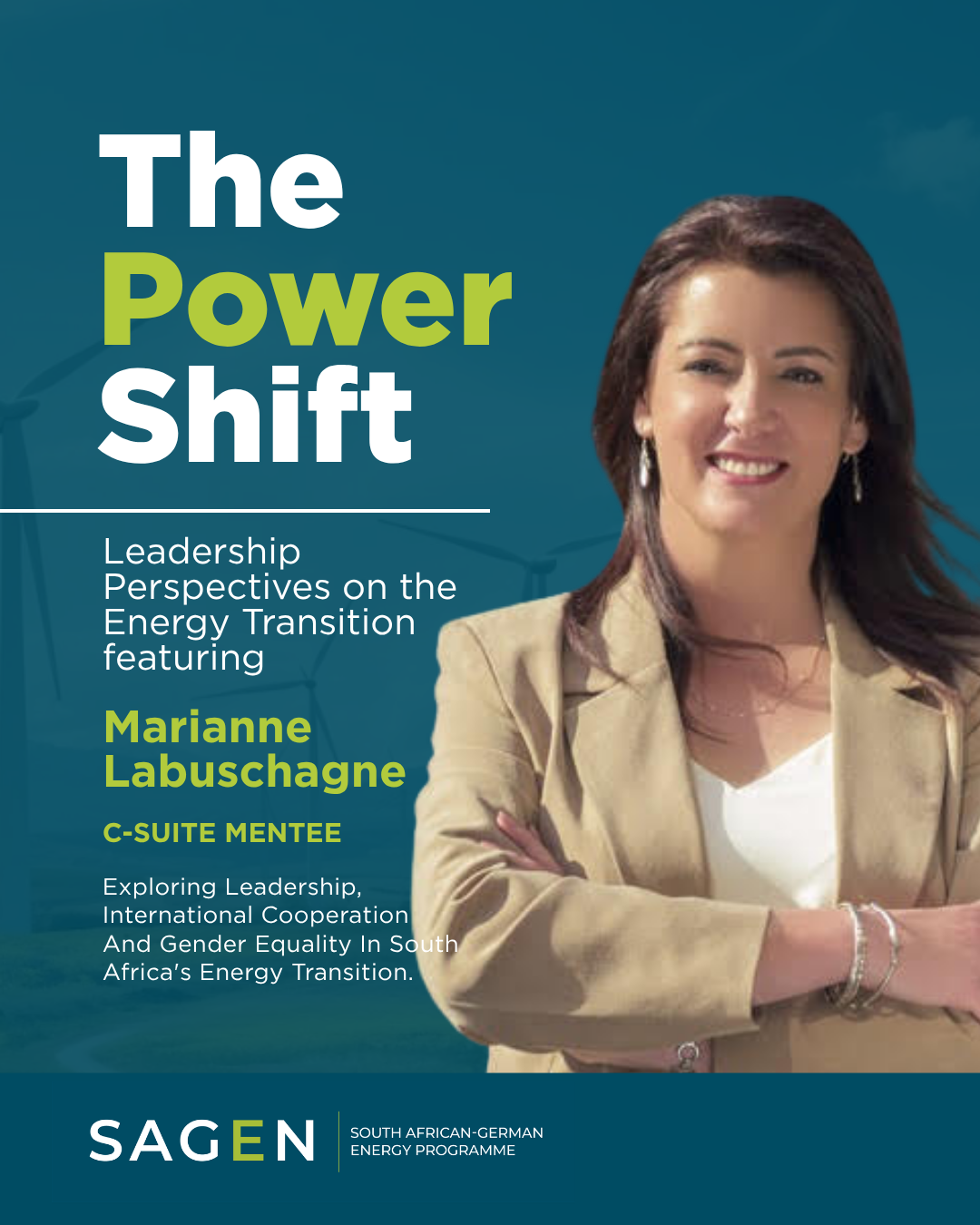
Why is the inclusion of women essential to building a sustainable, resilient and inclusive energy future?
The energy sector serves everyone, so it should reflect everyone.
From my experience, women’s inclusion is essential because the energy transition is not only about technology, infrastructure and systems. It’s also about people, communities and the way we prepare for the future.
Across the energy value chain, women bring valuable expertise, diverse perspectives and practical insights that strengthen decision-making and problem-solving. Their contributions are visible across power station operations, engineering, technical and support functions, specialist roles, senior management and executive leadership.
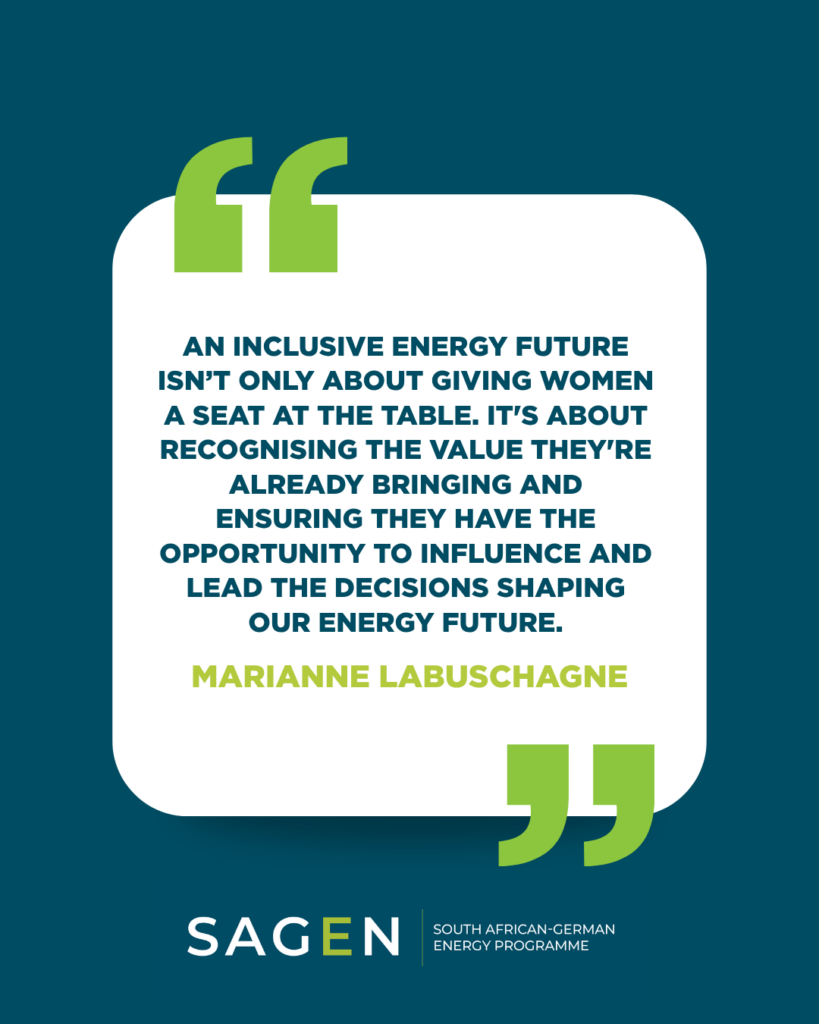
In South Africa, we also carry a broader social responsibility. Women play a vital role in developing skills, uplifting communities and creating opportunities for others. An inclusive energy future isn’t about giving women a seat at the table. It’s about recognising the value they already bring and creating opportunities for them to participate, influence and lead.
From your perspective, what progress have you seen in advancing women’s participation and leadership within the energy sector over recent years?
There has been a meaningful shift in how women’s advancement is approached within the energy sector. The conversation has moved beyond awareness and representation towards more intentional development, stronger accountability and greater leadership commitment.
There’s also growing recognition that women contribute across every part of the industry and that inclusion must be reflected throughout the entire energy value chain.
What inspires me most is seeing the number of women who have progressed into senior leadership positions within Eskom, particularly our women Power Station General Managers. These leaders oversee complex operations, make critical decisions every day and carry significant responsibility for South Africa’s energy security.
Their presence sends a powerful message to women across the organisation: your voice matters, your expertise matters and your contribution matters.
For me, that visibility is just as important as any development programme because it helps women see what’s possible and gives them the confidence to step forward and contribute in their own unique way.
Can you share an example of an initiative or intervention that has successfully supported women in energy and created meaningful impact?
One initiative that stands out for me is the Eskom Women in Power Programme.
What I value most is that it goes beyond celebrating women during a single day or month. It creates ongoing opportunities for networking, mentorship, professional development and honest conversations about the realities and challenges women experience in the workplace.
The real impact isn’t only the programme itself. It’s the confidence it builds in the women who participate. Many leave with a stronger belief in their abilities, a willingness to pursue opportunities they may not have considered before, and a desire to uplift other women along the way.
More recently, I’ve had the privilege of participating in the C-Suite Women in Energy Empowerment Programme, which is helping develop future women leaders across the energy sector. Programmes like these create lasting value because they invest in people, not just positions, by providing exposure, learning opportunities, mentorship and professional networks that open doors many women might not otherwise have had access to.
How can organisations create environments where women are empowered to thrive, lead and contribute meaningfully across the energy value chain?
Organisations need to move beyond good intentions and create environments where women can build meaningful and rewarding careers.
This starts with equitable access to opportunities, visible career pathways and leaders who actively support and advocate for talent.
Representation also matters. When women see others succeeding in technical, specialist, operational and leadership roles, it helps break down perceived barriers and demonstrates what’s possible.
Development initiatives, mentorship, professional networks and strategic partnerships all play an important role in accelerating growth and expanding opportunities. However, these efforts are most effective when they’re supported by a workplace culture that values diverse perspectives and encourages participation.
Ultimately, women are empowered when they’re trusted to contribute, included in important conversations and recognised for the value they bring. When organisations create that environment, they strengthen not only individual careers but also their own performance and long-term sustainability.
What opportunities do you see for women to play a greater role in shaping South Africa’s energy transition?
Women are already making meaningful contributions across South Africa’s energy sector, but I believe their influence can extend even further as the energy transition accelerates.
Beyond operational and leadership roles, women have opportunities to shape the future as entrepreneurs, innovators, engineers, researchers, specialists, policymakers and trusted advisors.
As new technologies, business models and energy solutions emerge, women can help shape the policies, regulations, investment decisions and industry frameworks that will guide the transition.
From my perspective, one of the greatest opportunities lies in ensuring that women help shape the decisions being made today that will influence South Africa’s energy future for generations to come.