South Africa’s energy transition demands more than new technologies and infrastructure. It requires leaders who can navigate complexity, build partnerships and translate ambitious goals into meaningful action.
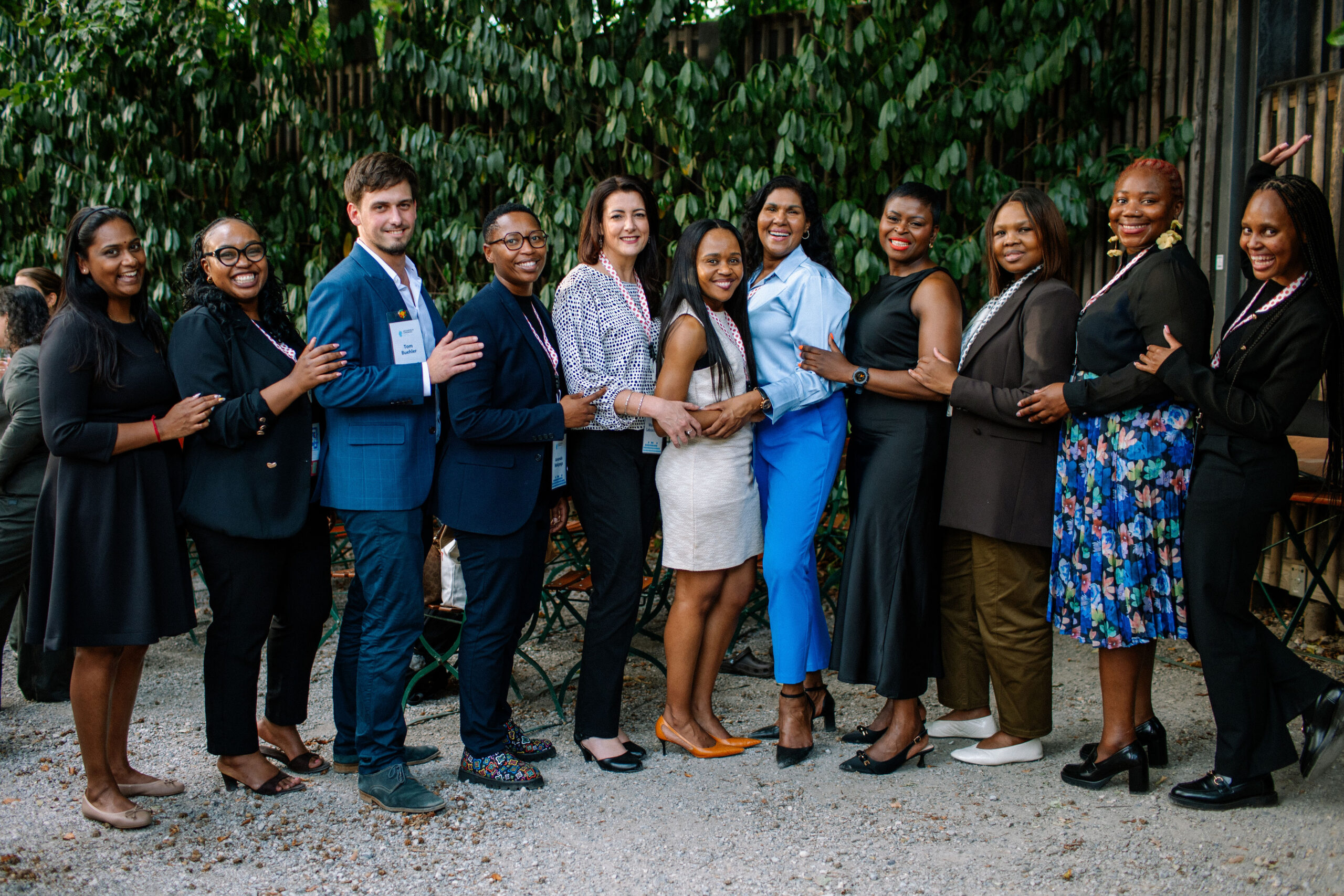
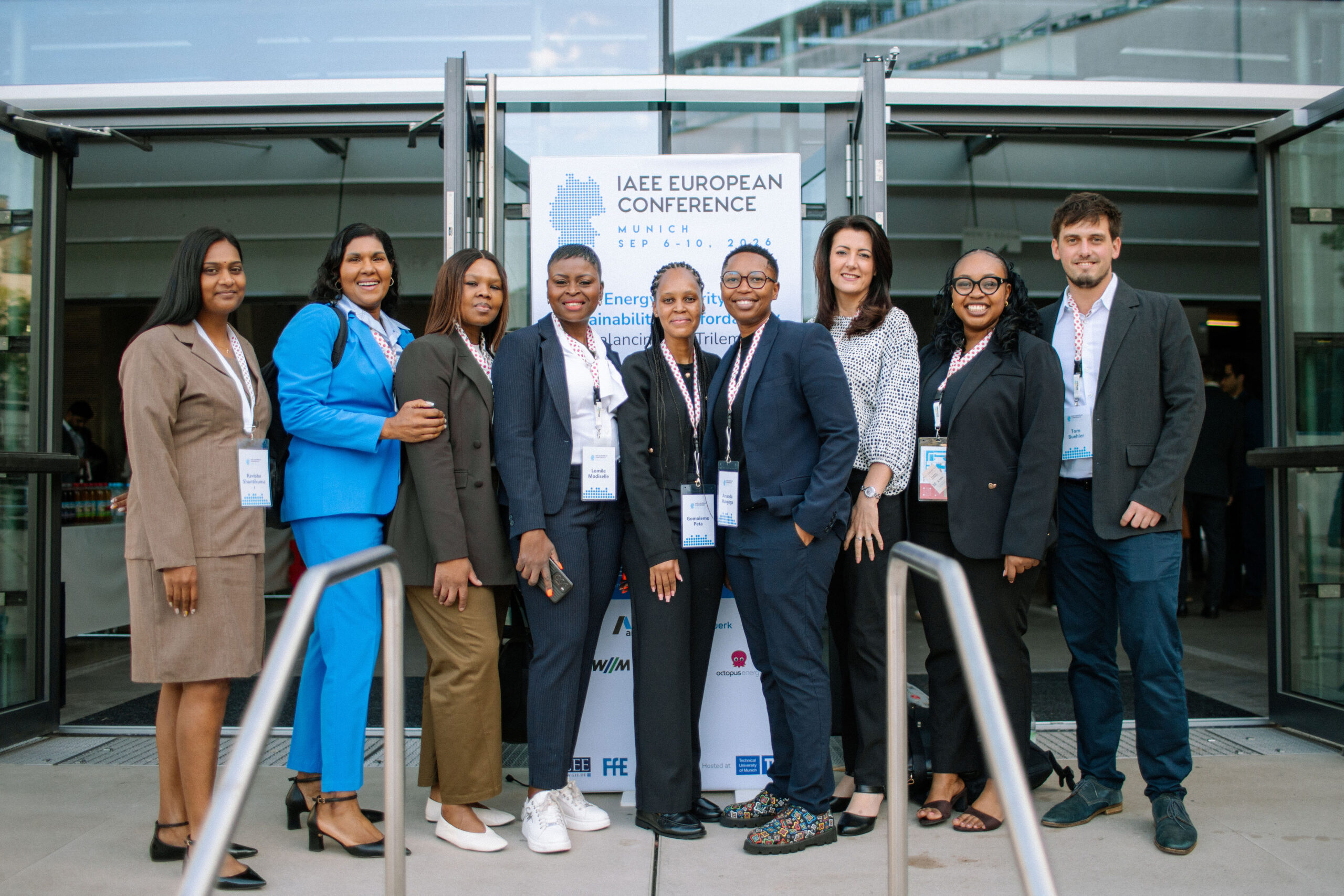
Those themes shaped the C-Suite Women in Energy Germany Study Tour, where mentees from across South Africa’s energy sector travelled through Munich and Berlin, engaging with global energy leaders, policymakers, utilities, researchers and industry experts to explore what leadership looks like in an evolving energy landscape.
Delivered through the partnership between the Department of Electricity and Energy (DEE) and GIZ, under the South African-German Energy Programme | Capacities for the Energy Transition (SAGEN-CET), the study tour formed an important milestone in the mentees’ leadership development journey, providing opportunities to gain international perspectives, exchange knowledge and build professional networks.
From global dialogue to practical implementation
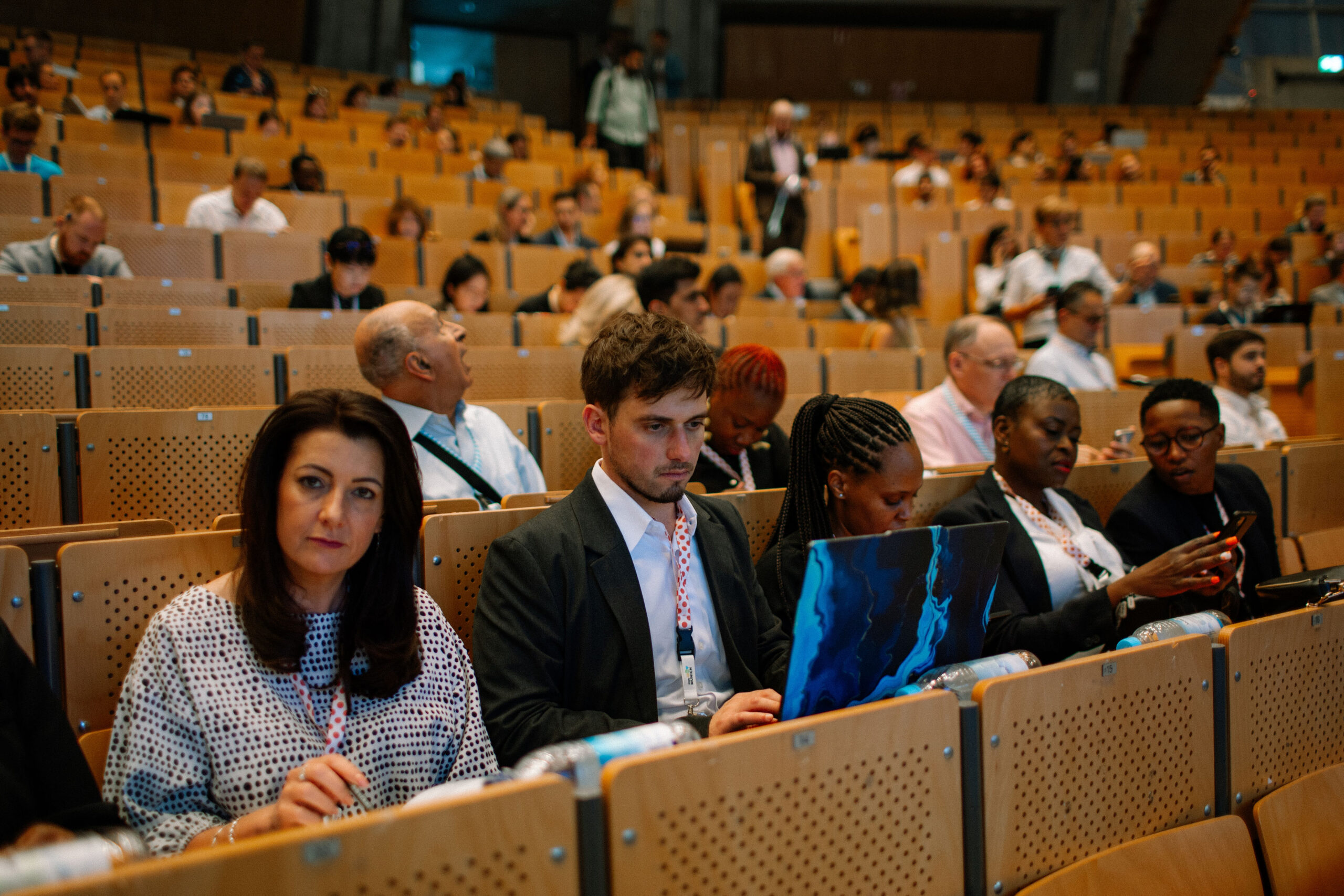
The journey began in Munich at the 19th IAEE European Conference, bringing the mentees into conversation with policymakers, researchers, academics and industry leaders from around the world. Discussions explored energy markets, innovation, policy and the future of energy systems, giving the mentees an opportunity to engage with ideas and experiences shaping energy transitions across different countries and contexts.
From Munich, the programme continued in Berlin, where the focus shifted from global dialogue to the practical realities of energy transformation. Through engagements with organisations including the German Energy Agency (Dena), LEAG, 50Hertz, Berliner Stadtwerke, the German Association of Energy and Water Industries (BDEW), Berlin Energie und Wasser (BEW), the Berlin Senate and the South African Embassy in Germany, the mentees explored the different roles institutions play in an evolving energy system.
The engagements covered a broad range of issues, from regulatory frameworks and evidence-based policymaking to utility transformation, technological innovation, transmission infrastructure and municipal implementation. Together, they demonstrated how energy transitions depend not only on technology, but also on institutions that can adapt, collaborate and respond to changing realities.
Importantly, the programme was not about replicating Germany’s approach in South Africa. Instead, the discussions encouraged the mentees to reflect critically on international experience and consider what lessons might be relevant to South Africa, while recognising the country’s own opportunities, challenges and priorities.
Leadership at the heart of the transition
Across the different engagements, one message emerged consistently: leadership is central to energy transformation.
Whether the discussion centred on organisational change, infrastructure planning, policy implementation or technological innovation, the people leading these institutions remain critical to navigating uncertainty and turning long-term ambitions into action. The engagement with the South African Embassy in Berlin added another dimension to this conversation, highlighting the importance of mentorship, professional networks and peer support in strengthening pathways for women into senior leadership across the energy sector.
It also placed the study tour within the broader South Africa-Germany partnership, demonstrating how international programmes can create opportunities not only for knowledge exchange, but also for continued institutional collaboration and relationship-building.
Bringing the experience home
Although the study tour has concluded, its impact extends beyond the meetings held and organisations visited. The experience strengthened professional networks, broadened international perspectives and created space for the mentees to reflect on their own leadership roles within South Africa’s energy transition. Most importantly, the programme reinforced that successful energy transitions require leaders who can connect policy with implementation, innovation with people, and local priorities with global partnerships.
The conversations may have taken place in Germany, but the experience will continue through the women leaders bringing those insights, relationships and perspectives back into South Africa’s energy sector.