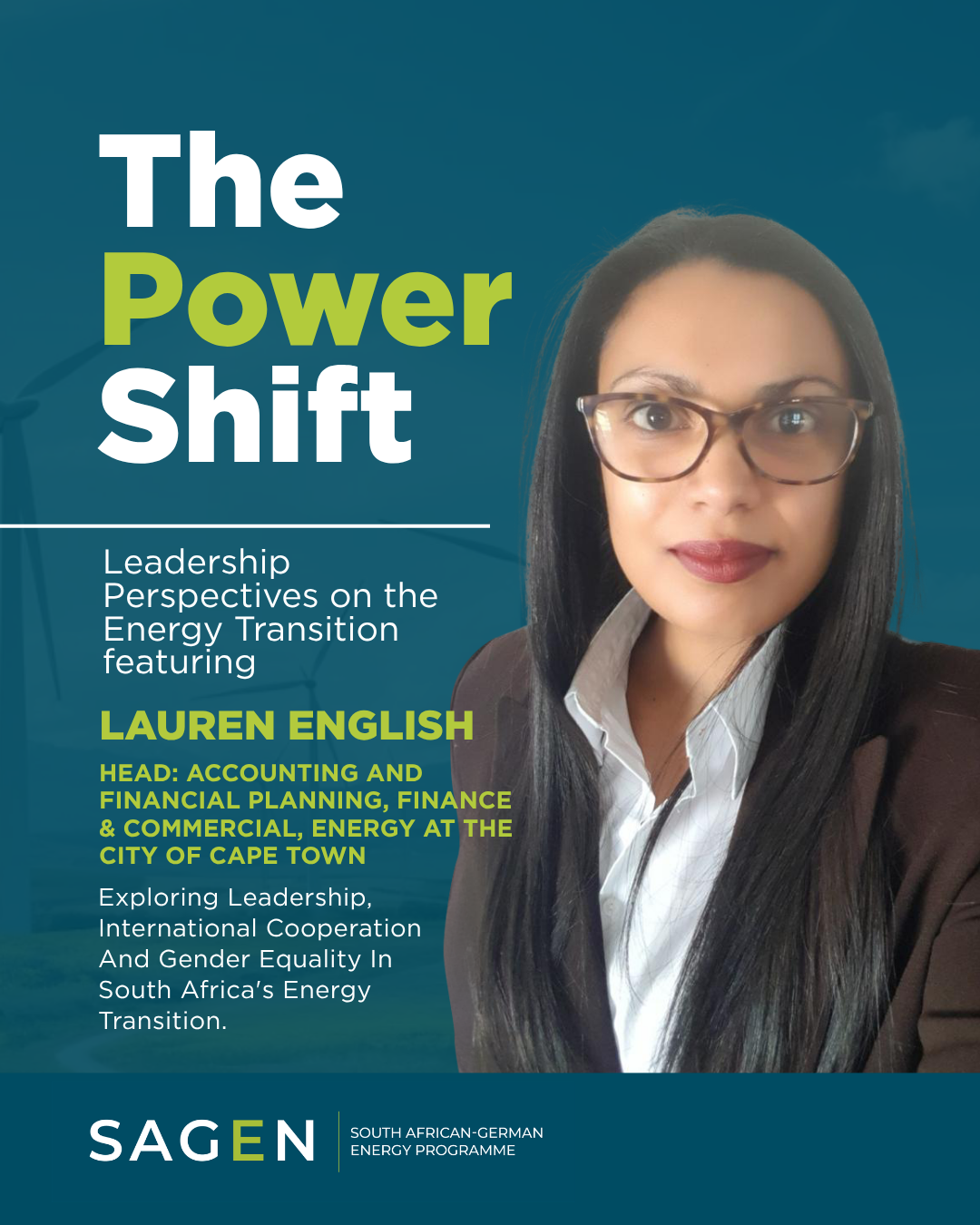
Why is the inclusion of women essential to building a sustainable, resilient and inclusive energy future?
The inclusion of women is essential to building a sustainable, resilient and inclusive energy future because it brings diverse perspectives to decision-making, improves investment and development outcomes as well as helps ensure that energy solutions meet the needs of the communities they serve. From an Energy Finance perspective, greater participation of women strengthens governance, innovation and risk management, while expanding the talent pool needed to drive the energy transition. By empowering women as leaders, entrepreneurs and consumers, the energy sector can promote inclusive economic growth, improve energy access and deliver more sustainable long-term value for society.
From your perspective, what progress have you seen in advancing women’s participation and leadership within the energy sector over recent years?
There has been progress in advancing women’s participation and leadership within the energy sector in South Africa, particularly as the country accelerates its energy transition and renewable energy investments. There has been an increase in women taking on leadership roles across energy, finance, sustainability and infrastructure. The recognition that diverse teams contribute to stronger decision making, innovation and business performance has further supported this shift. While women remain underrepresented in many technical and executive roles, the increased visibility of female leaders and the commitment of both industry and government to transformation are positive signs of progress toward a more inclusive and sustainable energy future in South Africa.
Can you share an example of an initiative or intervention that has successfully supported women in energy and created meaningful impact?
One of the most impactful interventions has been the deliberate investment in developing women within the energy sector through bursary programmes, technical training, mentorship and leadership development initiatives within utilities and municipalities. These programmes have enabled more women to enter and progress in fields such as electricity distribution, generation, energy planning and infrastructure finance. By supporting women throughout their professional development and career the sector is not only improving gender representation but also strengthening the skills and leadership needed to support a reliable, sustainable and financially resilient energy future.
How can organisations create environments where women are empowered to thrive, lead and contribute meaningfully across the energy value chain?
Organisations can create environments where women are empowered to thrive, lead and contribute meaningfully across the energy sector by fostering inclusive workplace cultures, providing equitable access to opportunities and actively supporting professional growth. This includes investing in mentorship, technical training, leadership development and creating clear pathways for career progression. In the City of Cape Town, this commitment is reflected in initiatives that support skills development, talent development and the growth of the broader energy sector as part of the City’s energy transition and energy security objectives. The City of Cape Town has also worked with partners to attract investment and create opportunities in the energy sector, helping to expand access to careers traditionally underrepresented by women. Ultimately, when organisations intentionally develop, support and promote women at all levels, they benefit from a more diverse workforce, stronger leadership, greater innovation and improved business outcomes while contributing to a more sustainable and resilient energy future.
What opportunities do you see for women to play a greater role in shaping South Africa’s energy transition?
The energy transition presents a significant opportunity for women to play a greater role across the entire energy sector, particularly in renewable energy, grid modernisation, energy finance, engineering, project development and leadership. As South Africa invests in energy security, infrastructure expansion and a lower-carbon future, there is growing demand for diverse skills and perspectives to drive innovation and sustainable decision-making. Women are well positioned to contribute not only as technical specialists and leaders, but also as entrepreneurs, financiers and policymakers shaping the future of the sector. For organisations such as the City of Cape Town, the transition to a more diversified and resilient energy system creates opportunities to increase the participation of women in electricity generation, distribution, energy planning and customer focused energy solutions. By continuing to invest in skills development, leadership opportunities and inclusive workplace practices, the sector can empower more women to influence strategic decisions and help deliver a more sustainable, equitable and resilient energy future for South Africa.